Importance of Regular Oil Changes For Madison, TN Car Owners
September 18, 2026 3:12 pmDaily driving around Madison can mean stop-and-go traffic on Gallatin Pike, short trips around Rivergate, and regular highway travel along I-65. All of those miles add heat, contaminants, and operating time to your engine oil.
Regular oil changes help protect moving engine components, maintain proper lubrication, and give your vehicle a better chance of delivering dependable performance for the long term.
Quick answer: Regular oil changes are important because engine oil lubricates moving components, helps manage heat, and carries contaminants toward the oil filter. As oil ages, its ability to perform those jobs can decline. Madison, TN car owners should follow the oil type and service interval specified by their vehicle manufacturer rather than relying on one mileage rule for every vehicle.
What Madison Car Owners Should Know About Oil Changes
Madison car owners should treat oil changes as scheduled preventive maintenance based on their vehicle manufacturer’s recommendations, driving patterns, and oil-life monitoring system when equipped. Following the correct schedule can help prevent excessive engine wear while also giving drivers regular opportunities to notice developing maintenance concerns.
-
Your owner’s manual or manufacturer maintenance schedule should be the primary source for determining the correct oil-change interval.
-
Frequent short trips around Madison and the Rivergate area can be harder on oil because the engine may not always remain at full operating temperature for long periods.
-
Regular travel on Gallatin Pike, Old Hickory Boulevard, and nearby interstate routes can create a mix of stop-and-go and sustained driving conditions.
-
Low oil levels should be addressed promptly because an engine needs the proper amount of oil as well as oil that is in suitable condition.
-
The correct oil viscosity and specification matter, so the oil recommended for your exact vehicle should be used.
Why Regular Oil Changes Matter in Madison, TN
Regular oil changes matter in Madison, TN because local vehicles often experience a mixture of short trips, traffic, summer heat, and highway driving that keeps engines working under varied conditions. Fresh oil helps maintain the lubricating film that protects internal components while carrying contaminants to the filter.
Drivers traveling between Madison, Goodlettsville, Hendersonville, Inglewood, and other parts of northern Davidson County may encounter very different driving conditions during a normal week. A vehicle might spend one day making short local trips and the next traveling at highway speeds.
Rivergate Muffler & Auto Repair helps local drivers address routine vehicle maintenance before neglected service contributes to larger problems. We recommend using your manufacturer’s maintenance schedule as the starting point rather than waiting for the engine to show obvious symptoms.
Local Driving Conditions and Engine Oil
Local driving conditions can affect engine oil because operating temperature, trip length, traffic, engine load, and time all influence how oil performs between services. Madison drivers who make frequent short trips or spend significant time in congested traffic should pay particular attention to the maintenance schedule specified for their driving conditions.
Nashville transportation planning documents identify Gallatin Pike as a major transportation corridor extending toward Rivergate, while Madison Station Boulevard connects the Gallatin Pike and Old Hickory Boulevard area. These busy local routes help illustrate why many area vehicles experience a blend of neighborhood, commercial-corridor, and highway driving.
Hot Tennessee summers are another consideration. Engine cooling and lubrication systems are designed to manage operating heat, but using the correct oil and keeping it at the proper level remain important parts of routine maintenance.
How Old Oil Can Affect Your Vehicle
Old or insufficient engine oil can increase friction, allow contaminants to accumulate, and reduce the protection available to internal engine components. Over time, neglected oil service may contribute to deposits, accelerated wear, poorer engine operation, or potentially expensive mechanical problems.
Oil works continuously while the engine is running. It circulates through small passages, lubricates moving surfaces, and carries suspended contaminants toward the filter.
The longer oil remains in service beyond the recommended interval, the less confidently a driver can assume it is providing the level of protection intended by the vehicle manufacturer. For Madison commuters who depend on a vehicle every day, avoiding preventable maintenance-related downtime can be especially valuable.
Warning Signs Your Vehicle May Need Oil Service
Warning signs that your vehicle may need oil-related attention include an overdue maintenance reminder, low oil level, an oil-pressure warning light, unusual engine noise, visible leaks, or an unfamiliar burning-oil smell. Some of these symptoms can indicate problems beyond a routine oil change and should not be ignored.
Watch for:
-
An oil-change or maintenance reminder appearing on the dashboard.
-
A low reading when checking the engine oil according to the owner’s manual.
-
An illuminated oil-pressure warning light.
-
Ticking, knocking, or other new engine noises.
-
Oil spots appearing beneath the vehicle.
-
A burning-oil odor after or during driving.
-
Oil service records showing that scheduled maintenance is overdue.
An oil-pressure warning light can indicate a serious lubrication problem. If that warning appears while driving, follow the vehicle manufacturer’s instructions rather than assuming that simply adding oil or scheduling a future oil change will solve the issue.
When Madison Drivers Should Call a Professional
Madison drivers should seek professional service when an oil change is due, the correct oil or procedure is uncertain, a warning light appears, a leak is visible, or the engine develops an unusual noise or smell. Routine level checks may be appropriate for many owners, but diagnosis should go beyond DIY maintenance when symptoms suggest a mechanical problem.
Checking oil safely according to the owner’s manual can help you catch a low level between services. You can also keep track of mileage, time, and maintenance reminders.
If the oil level repeatedly drops, however, simply topping it off does not identify why. Our technicians can inspect the vehicle and determine whether additional service should be considered.
Common Reasons Madison Vehicles Fall Behind on Oil Changes
The most common reasons drivers fall behind on oil changes are busy schedules, misunderstood maintenance intervals, forgotten service dates, and assuming that a vehicle will provide an obvious warning before maintenance becomes overdue. None of these necessarily means an engine problem already exists, but they can increase the likelihood of neglected maintenance.
Short local trips can also make mileage accumulate slowly, causing some drivers to forget that maintenance schedules may consider time as well as mileage.
Another common issue is applying an old rule of thumb to every vehicle. Modern engines differ significantly in oil requirements, capacities, monitoring systems, and manufacturer recommendations. The schedule for one vehicle may not be appropriate for another.
Preventing Oil-Related Maintenance Problems
Preventing oil-related problems starts with checking the manufacturer’s maintenance schedule, using the specified oil, monitoring the oil level, and documenting each service. Madison drivers should make these checks part of a regular vehicle-maintenance routine rather than waiting for a dashboard warning or noticeable engine symptom.
Keep your oil-change records somewhere easy to access. If your vehicle has an oil-life monitoring system, learn how it works and how it should be reset after proper service.
Before longer trips from Madison toward downtown Nashville or north through the Goodlettsville and Hendersonville area, checking fluid levels can also be a sensible part of trip preparation.
DIY maintenance should stop when you encounter leaks, warning lights, abnormal engine sounds, uncertain oil specifications, damaged components, or anything else that requires diagnosis.
What to Expect From Regular Oil Change Service
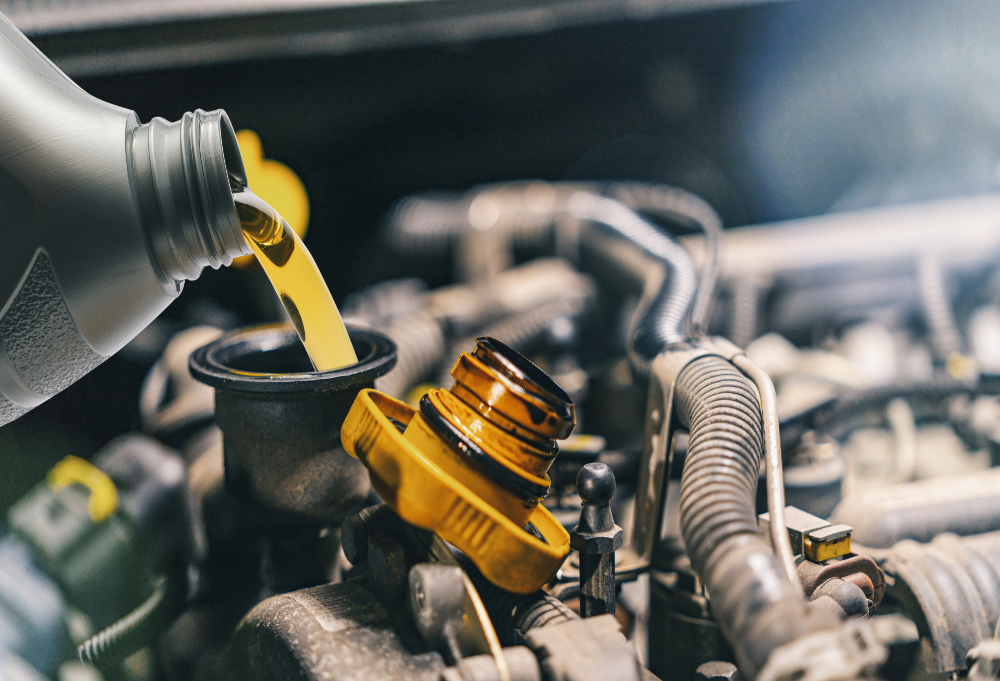
Regular oil change service should replace used engine oil with the correct type and quantity while also replacing the oil filter when required by the service procedure. The goal is routine maintenance and protection, not a guarantee that an oil change will correct unrelated engine problems or prevent every future repair.
Consistent service provides another useful benefit: it creates regular opportunities to notice concerns that may otherwise go unseen between appointments.
For a driver relying on a vehicle for work, school, errands, or commuting through Davidson County, keeping basic maintenance current can make vehicle ownership more predictable.
Common Oil Change Mistakes to Avoid
Common oil-change mistakes include waiting too long, using the wrong oil specification, ignoring a low oil level, assuming every vehicle follows the same interval, and treating warning lights as ordinary maintenance reminders. Madison drivers can avoid many of these mistakes by following vehicle-specific information instead of generalized advice.
Mistake: Using one mileage interval for every vehicle.
Consequence: Service may occur earlier or later than the manufacturer intends.
Better approach: Follow the schedule for your exact year, make, model, engine, and driving conditions.
Mistake: Ignoring a leak because the engine still runs normally.
Consequence: The oil level may continue dropping between services.
Better approach: Have an unexplained leak or recurring low oil level inspected.
Mistake: Assuming an oil-pressure warning means an ordinary oil change is due.
Consequence: A potentially serious lubrication problem could go unaddressed.
Better approach: Follow the manufacturer’s warning-light instructions promptly.
A Common Madison Driving Scenario
A common Madison scenario is a vehicle used for short weekday errands around Rivergate and Gallatin Pike, followed by longer trips on I-65 or throughout the Nashville area. That mix of driving can make a simple mileage-only maintenance habit less useful than following the vehicle manufacturer’s full maintenance guidance.
A driver may assume the car is experiencing “easy” use because individual trips are short. In reality, repeated starts, warm-up periods, traffic, and operating time still count as engine use.
This is why we encourage owners to know the recommendations for their specific vehicle and keep a consistent service record.
Oil Change and Related Maintenance Solutions
Oil-change service addresses routine engine lubrication maintenance, while inspection and diagnostic services may be appropriate when low oil, leaks, warning lights, unusual noises, or other symptoms are present. The correct solution depends on whether the vehicle simply needs scheduled maintenance or shows evidence of another problem.
We can help drivers distinguish between ordinary maintenance and concerns that deserve additional attention.
Comparing DIY Oil Changes With Professional Service
DIY oil changes can work for knowledgeable vehicle owners with the correct tools and service information, while professional service can simplify proper oil selection, filter replacement, disposal, and inspection for potential concerns. Madison drivers should choose the approach that allows the work to be completed safely and according to manufacturer specifications.
DIY service requires the correct oil, filter, lifting procedures when applicable, tools, drain-plug procedures, oil quantity, and responsible disposal of used oil.
Professional service may be preferable if you lack a safe work area, are unsure of the correct specifications, or want a technician to look into leaks or other symptoms at the same time.
Oil Change Service Areas Around Madison
Oil-change needs are similar throughout the Madison area, but local drivers benefit from maintenance that fits the way they actually use their vehicles. We serve drivers in Madison and the surrounding north Nashville area, including customers traveling from communities such as Goodlettsville and nearby neighborhoods along the Gallatin Pike and Rivergate corridors.
Whether your routine keeps you close to Neely’s Bend or regularly takes you onto I-65, maintaining the vehicle according to its manufacturer schedule remains the priority.
The Cost of Ignoring Regular Oil Changes
Ignoring scheduled oil changes can increase the risk of sludge, deposits, accelerated wear, and engine damage, potentially turning routine maintenance into a much more involved repair. The exact outcome varies by vehicle and circumstances, but delaying maintenance beyond manufacturer recommendations provides little benefit.
Drivers should also avoid assuming that topping off low oil is the same as changing it. Maintaining the correct level is essential, but it does not replace scheduled oil and filter service.
For Madison residents who rely on one vehicle for daily transportation, preventing avoidable downtime is a practical reason to stay current.
Frequently Asked Questions About Oil Changes in Madison, TN
Oil-change questions in Madison, TN usually come down to timing, oil type, local driving conditions, warning signs, and what drivers can safely check themselves. The most reliable answers begin with information for your exact vehicle, because engines and manufacturer maintenance schedules can differ substantially.
How often should I change my oil in Madison, TN?
Follow the oil-change interval listed by your vehicle manufacturer for your exact model and driving conditions. There is no single mileage interval that is correct for every Madison vehicle. Your owner’s manual, maintenance schedule, or oil-life monitor provides a better reference than a universal rule of thumb.
Does Madison stop-and-go driving affect oil-change timing?
It can, depending on the vehicle and the manufacturer’s definition of normal or severe operating conditions. Frequent short trips and extended low-speed operation are treated differently by some maintenance schedules. Drivers regularly using Gallatin Pike or making short local trips should review the schedule provided for their vehicle.
Does Tennessee summer heat mean I need more frequent oil changes?
Not automatically. Your vehicle manufacturer already specifies the appropriate oil and maintenance schedule for expected operating conditions. Hot weather makes proper cooling, lubrication, and fluid levels particularly important, but Madison drivers should not shorten oil-change intervals arbitrarily without guidance from the manufacturer or a qualified technician.
Can I just add oil instead of getting an oil change?
No. Adding oil corrects a low level, but it does not replace scheduled oil-change service. If your Madison vehicle is repeatedly low on oil, the reason should also be investigated. An engine may consume or lose oil for several reasons, and repeated topping off should not substitute for maintenance or diagnosis.
What does an oil warning light mean?
An oil-pressure warning can indicate a potentially serious lubrication problem rather than simply reminding you that routine service is due. Follow the instructions in your vehicle owner’s manual promptly. If you are driving around Madison when the warning appears, do not assume that scheduling an ordinary oil change later is sufficient.
Is synthetic oil better for every vehicle in Madison?
The correct oil is the one that meets the specifications required by your vehicle manufacturer. Some engines require synthetic oil or a particular specification, while other applications differ. Instead of choosing oil based only on general claims, Madison car owners should use the viscosity and performance standard listed for their engine.
Should I check my oil between services?
Yes, checking the oil level between services can help identify a low level before the next scheduled appointment. Follow the procedure in your owner’s manual because checking methods can differ between vehicles. Drivers making frequent trips between Madison, Goodlettsville, and Nashville may find periodic checks especially useful as part of routine maintenance.
Can an oil change fix engine noise?
Sometimes low or unsuitable oil can contribute to noise, but an oil change should not be treated as a guaranteed repair for unusual engine sounds. New ticking, knocking, or other abnormal noises deserve proper evaluation. Our team can inspect the concern and help determine whether routine maintenance or additional diagnosis is appropriate.
Keep Your Madison Vehicle Ready for the Road
Regular oil changes give Madison drivers a straightforward way to support engine lubrication, control contaminants, and stay on top of basic vehicle maintenance. The best approach is simple: follow your manufacturer’s schedule, use the correct oil, monitor the oil level, and address unusual symptoms rather than postponing them.
Protect Your Engine With Routine Local Maintenance
Stay current on the maintenance your vehicle manufacturer recommends and get unusual oil-related symptoms checked before they become easier to ignore.
Categorised in: Blog, Oil Changes
This post was written by admin
Comments are closed here.