The Dangers of Ignoring Brake Problems In Madison, TN
August 20, 2026 7:34 pmBrake problems can turn an ordinary drive through Madison into a stressful and potentially dangerous situation. Whether you are traveling along Gallatin Pike, navigating traffic near RiverGate Mall, or heading toward I-65, reliable braking matters every time traffic slows or stops unexpectedly.
Quick answer: Ignoring brake problems can increase stopping distance, damage additional braking components, reduce vehicle control, and turn a manageable repair into a more extensive one. Squealing, grinding, vibration, pulling, a soft brake pedal, or a brake warning light should not be treated as problems that will simply go away. Drivers in Madison, TN should have persistent or worsening brake symptoms inspected before continuing normal driving.
What local drivers should know
-
Grinding or metal-on-metal sounds can indicate brake wear that has progressed beyond a simple warning sign.
-
Stop-and-go driving along Gallatin Pike and around the Rivergate area can put frequent demands on brake components.
-
Trips between Madison, Goodlettsville, Hendersonville, and Nashville can combine local traffic with higher-speed driving, making dependable braking especially important.
-
A change in pedal feel, stopping distance, or vehicle direction while braking deserves prompt attention.
-
Catching brake wear early may help prevent damage from spreading to other components.
Why Brake Problems Matter to Madison Drivers
Brake problems matter to Madison drivers because local travel often involves frequent stops, busy intersections, changing traffic speeds, and transitions between surface streets and faster highways. A braking system that feels merely inconvenient during a short neighborhood drive can become a much bigger concern when traffic conditions change suddenly.
Madison sits in northern Davidson County with convenient access to major routes connecting drivers with Nashville, Goodlettsville, and communities farther northeast. Gallatin Pike carries substantial commercial and local traffic, while nearby routes such as Old Hickory Boulevard and I-65 can expose drivers to very different speeds and stopping situations.
Rivergate Muffler & Auto Repair understands that brake concerns affect more than ride comfort. After this first introduction, we focus on helping local drivers understand what their vehicles are telling them and when professional brake service may be appropriate.
Local Brake Wear Observations
Local driving conditions can contribute to brake wear because repeated slowing and stopping creates heat and friction at the braking components. Drivers who spend much of their time on commercial corridors or in heavier Nashville-area traffic may use their brakes differently than someone who primarily drives long, uninterrupted highway routes.
This is a professional field observation rather than a claim based on a specific local brake-wear study. Vehicle weight, driving habits, component quality, maintenance history, road conditions, and the type of driving performed all affect how quickly brakes wear. That is why mileage alone should not determine when a braking system needs attention.
How Ignored Brake Problems Can Affect Your Vehicle
Ignored brake problems can affect safety, repair needs, and vehicle control because worn or malfunctioning components may no longer perform as intended. A small change in braking behavior can sometimes be the first indication that something in the system needs inspection.
For Madison drivers, increased stopping distance is especially concerning in busy traffic. A vehicle may need to stop quickly for a changing traffic light, congestion near a shopping area, or a sudden slowdown on the way toward Nashville.
Continued driving with worn brake components may also allow damage to progress. For example, severely worn brake pads can eventually affect other braking components, potentially increasing the scope of the repair.
Warning Signs Your Brakes Need Attention
Brake warning signs include unusual noises, changes in pedal feel, vibration, pulling, and reduced stopping performance. Drivers should pay attention to changes from the way their vehicle normally brakes rather than waiting for several symptoms to appear at once.
Common warning signs include:
-
Squealing or squeaking: Persistent brake noise may indicate worn components or another condition requiring inspection.
-
Grinding: Grinding while braking can indicate advanced wear and should be addressed promptly.
-
Steering wheel or pedal vibration: Shaking or pulsation during braking may point to a problem within the braking system.
-
Vehicle pulling: A vehicle that pulls noticeably to one side while braking should be inspected.
-
Soft or spongy pedal: A brake pedal that feels different or travels farther than usual can indicate a braking-system concern.
-
Longer stopping distance: Needing more room to stop is a significant warning sign.
-
Brake warning light: A brake-related dashboard warning should not be ignored.
-
Burning smell after braking: An unusual odor associated with braking can indicate excessive heat and warrants caution.
When Should You Call a Brake Professional?
You should call a brake professional when braking performance changes, symptoms persist, or you are unsure whether the vehicle can stop safely. Brake systems are safety-critical, so diagnosis and repair should not be postponed when the pedal, stopping distance, vehicle direction, or braking sounds change significantly.
Drivers can safely monitor minor changes such as an occasional noise while noting when and where it occurs. Visual checks of warning lights can also help communicate symptoms to a technician.
DIY troubleshooting should stop when diagnosis requires removing braking components, opening hydraulic systems, or determining whether the vehicle remains safe to operate. If braking ability is seriously reduced, continuing to drive the vehicle may not be appropriate.
Common Causes of Brake Problems Around Madison
Common brake problems around Madison can result from normal friction wear, repeated stop-and-go driving, heat, component deterioration, or problems elsewhere in the braking system. The exact cause cannot be determined reliably from a noise or pedal sensation alone.
1. Normal brake pad wear: Brake pads are designed to wear as they create friction needed to slow the vehicle.
2. Frequent stopping: Regular driving through Madison’s commercial areas and toward Nashville can involve repeated braking that contributes to normal wear.
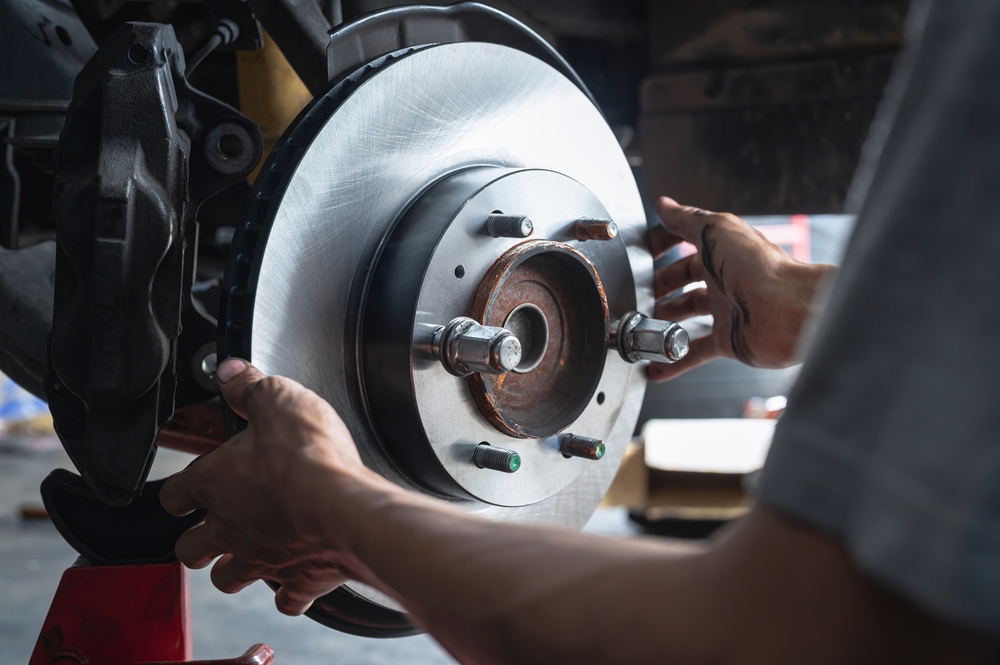
3. Rotor-related problems: Rotor condition can affect braking smoothness and may contribute to pulsation or vibration.
4. Hydraulic system concerns: Brake fluid and hydraulic components help transfer pedal input into braking force. Problems in this system can affect pedal feel or braking performance.
5. Sticking or damaged components: Calipers and related hardware must operate correctly for consistent braking.
A proper inspection helps separate routine wear from problems requiring more immediate repair.
How to Reduce Brake Problems
Reducing brake problems starts with paying attention to changes early and having the braking system inspected when symptoms appear. Preventive driving habits can also reduce unnecessary heat and wear, particularly for drivers regularly traveling through busy parts of Davidson County.
Leave adequate following distance so hard stops are less frequent. Avoid accelerating toward stopped traffic when you already know you will need to brake again. Pay attention to changes in noise and pedal feel instead of waiting for a dashboard warning.
Before longer trips from the Rivergate area or periods of heavier driving, consider whether any existing brake symptoms should be checked first. Preventive inspection is particularly useful when a vehicle already feels different under braking.
What to Expect From Brake Service
Brake service should identify the source of the symptoms and determine which components actually require attention. The appropriate repair depends on inspection findings rather than assuming every squeal, vibration, or warning light requires the same solution.
Depending on the vehicle and its condition, professional brake service may involve inspecting pads, rotors, calipers, hardware, brake fluid, or other parts of the system. The goal is to address the actual cause of the braking concern and restore appropriate braking operation based on the vehicle’s needs.
Common Brake Maintenance Mistakes
Common brake maintenance mistakes involve delaying inspection, relying on mileage alone, or assuming a temporary improvement means the problem is resolved. A better approach is to respond to noticeable changes in braking behavior and have persistent symptoms properly diagnosed.
Mistake: Ignoring squealing because the vehicle still stops.
Consequence: Wear may continue and the original issue may become more extensive.
Better approach: Schedule an inspection when brake noise persists or worsens.
Mistake: Waiting for a dashboard light before checking the brakes.
Consequence: Not every mechanical wear condition announces itself with a warning light.
Better approach: Treat changes in sound, pedal feel, and stopping performance as useful warning signs.
Mistake: Assuming every vibration is just a rough Madison road.
Consequence: A vibration specifically associated with braking may indicate a brake-related issue.
Better approach: Note when the vibration occurs and have the vehicle inspected.
A Common Local Brake Scenario
A common Madison scenario is a driver who first notices a light squeal during everyday trips along Gallatin Pike but continues driving because the vehicle still seems to stop normally. Over time, the noise becomes more consistent and may eventually be joined by vibration or another change in braking behavior.
This is an illustrative local scenario, not a customer case study. The better response is to have persistent brake symptoms inspected before they progress. Earlier diagnosis can provide a clearer picture of component condition and help the driver make an informed repair decision.
Brake Repair Solutions for Local Drivers
Brake repair solutions should match the condition found during an inspection rather than replacing parts based only on assumptions. Depending on the diagnosis, service may involve worn friction components, rotors, calipers, hydraulic components, hardware, or another part affecting braking performance.
At our shop, the next step begins with determining what is causing the symptoms. That allows drivers to understand what needs attention rather than relying on guesswork.
Comparing Early Brake Service With Waiting
Early brake service gives drivers an opportunity to address symptoms before continued wear potentially affects additional components. Waiting may seem convenient when a vehicle still stops, but braking problems can progress and are difficult to evaluate accurately without an inspection.
A minor noise does not automatically mean a major repair is required. At the same time, a vehicle that still stops today is not proof that its brakes are in good condition. For drivers regularly moving between Madison, Goodlettsville, and Nashville, timely diagnosis provides more useful information than waiting for symptoms to become severe.
Brake Service Areas Around Madison
Brake service in Madison also supports drivers traveling throughout the surrounding Rivergate and northern Davidson County area. Nearby communities such as Goodlettsville and Hendersonville are part of the same everyday driving network for many local motorists.
Whether your routine keeps you near RiverGate Mall, Old Hickory Boulevard, Gallatin Pike, or routes heading toward Nashville, brake symptoms deserve attention based on their severity and progression.
What Can Happen If You Keep Ignoring Brake Problems?
Continuing to ignore brake problems can lead to reduced braking performance, additional component wear, and a potentially more involved repair. The greatest concern is that drivers cannot predict when traffic will require a sudden or hard stop.
A brake issue that seems manageable during a quiet trip may feel very different during congestion or an unexpected slowdown. Delaying service can also allow worn components to affect other parts of the braking system.
Frequently Asked Questions About Brake Problems in Madison, TN
Brake questions from Madison drivers often focus on warning signs, inspection timing, noises, and whether a vehicle is safe to continue driving. The safest response depends on the specific symptom and its severity, but noticeable changes in braking performance deserve professional attention.
Is it safe to drive with squeaking brakes in Madison, TN?
Squeaking does not always identify one specific brake problem, but persistent squeaking should be inspected. If the noise is accompanied by reduced braking, grinding, pulling, vibration, or a significant pedal change, avoid treating it as routine wear. Busy local roads make dependable stopping performance especially important.
What does grinding when braking usually mean?
Grinding can indicate significant brake wear or another condition involving braking components. Because continued operation may cause additional damage, grinding should be addressed promptly. A technician needs to inspect the system to determine the actual source rather than diagnosing the repair from the sound alone.
Why does my steering wheel shake when braking around Madison?
Steering wheel vibration that occurs specifically during braking may indicate an issue affecting braking smoothness, including rotor-related conditions. Road surfaces can also produce vibration, so notice whether the shaking consistently begins when you press the brake pedal. A brake inspection can help identify the actual cause.
How often should brakes be checked in Davidson County?
There is no single inspection interval that applies equally to every vehicle because brake wear depends on the vehicle, driving habits, components, and operating conditions. Follow the vehicle manufacturer’s maintenance guidance and have the brakes checked sooner if you notice noise, vibration, pedal changes, pulling, warning lights, or increased stopping distance.
Does stop-and-go Nashville traffic wear brakes faster?
Frequent braking can contribute to brake wear because friction components are used each time the vehicle slows. Drivers commuting from Madison toward Nashville may encounter repeated slowing and stopping depending on their route and traffic. Actual brake life still varies significantly by vehicle, driving style, component type, and maintenance history.
Can I wait until my brake warning light comes on?
No, waiting for a warning light is not a reliable brake maintenance strategy. Mechanical wear and other braking concerns may produce noise, vibration, pulling, or changes in stopping performance before a dashboard warning appears. Drivers should respond to noticeable braking changes rather than using the warning light as their only indicator.
What should I do if my brake pedal suddenly feels soft near Rivergate?
A suddenly soft or unusually low brake pedal should be treated seriously, particularly if braking performance has changed. Avoid assuming the vehicle is safe simply because it can still slow down. If you are uncertain about safe operation, stop using the vehicle and arrange for professional evaluation rather than continuing normal driving.
Can ignoring worn brake pads make repairs more expensive?
Ignoring worn brake pads can potentially allow wear or damage to involve additional braking components, increasing the scope of needed service. The exact repair depends on inspection findings. Having symptoms evaluated earlier can help identify which parts need attention before continued driving creates further wear.
Protect Your Braking Confidence on Madison Roads
Brake problems are easier to address when drivers respond to warning signs instead of waiting for stopping performance to deteriorate. From Gallatin Pike and the Rivergate area to everyday trips across northern Davidson County, dependable brakes are essential for handling changing traffic safely.
Get Your Brakes Checked Before a Warning Sign Gets Worse
We help local drivers identify brake concerns and determine the appropriate next step based on their vehicle’s condition. If your brakes are squealing, grinding, vibrating, pulling, or simply do not feel the way they normally do, contact us to request service.
This post was written by admin
Comments are closed here.